 Oluwafunmibi Ojo
Design • Leadership • Systems • Strategy
Design Workflow & Process Engineering
NowNow, Sabi
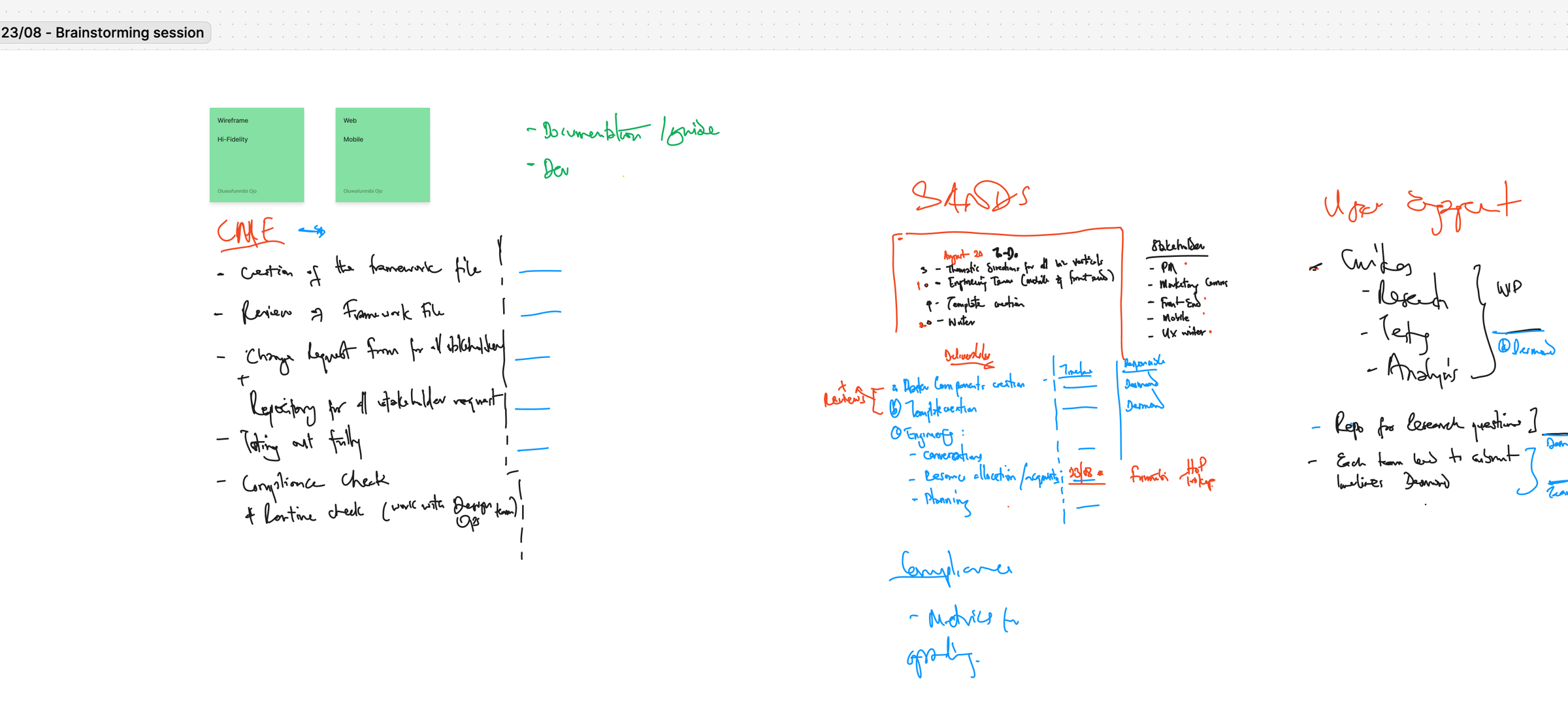
Beyond individual product work, I invested in engineering the design function itself — leading my team in building repeatable frameworks that we could rely on to move from ambiguity to shipped, validated solutions, instead of reinventing process on every project.
4
Gap Analysis Framework
A structured framework for identifying the distance between what was developed versus what was designed.
Critical stakeholders besides the product desigers are the Front End devs, QAs and PMs.
A Gaps Audit Repo is maintained and kept alive for each product vertical.
Weights are assigned to Effort vs Impact vs Risk vs Time to fix the gaps and then prioritizations are made for regularizing the variances.
User Engagement Frameworks
Repeatable frameworks for gathering and synthesizing user feedback — from lightweight in-product signals to structured research — that kept design decisions grounded in real user pain points rather than internal assumption. Having a repeatable process meant insights didn’t live in one researcher’s head; they became something the whole team could act on.
Design Sprint
A time-boxed sprint process adapted to the team’s context, used to de-risk major product bets before real engineering investment went in. Compressing weeks of back-and-forth into a focused sprint let stakeholders align quickly around a validated direction, rather than debating it across a quarter of meetings.
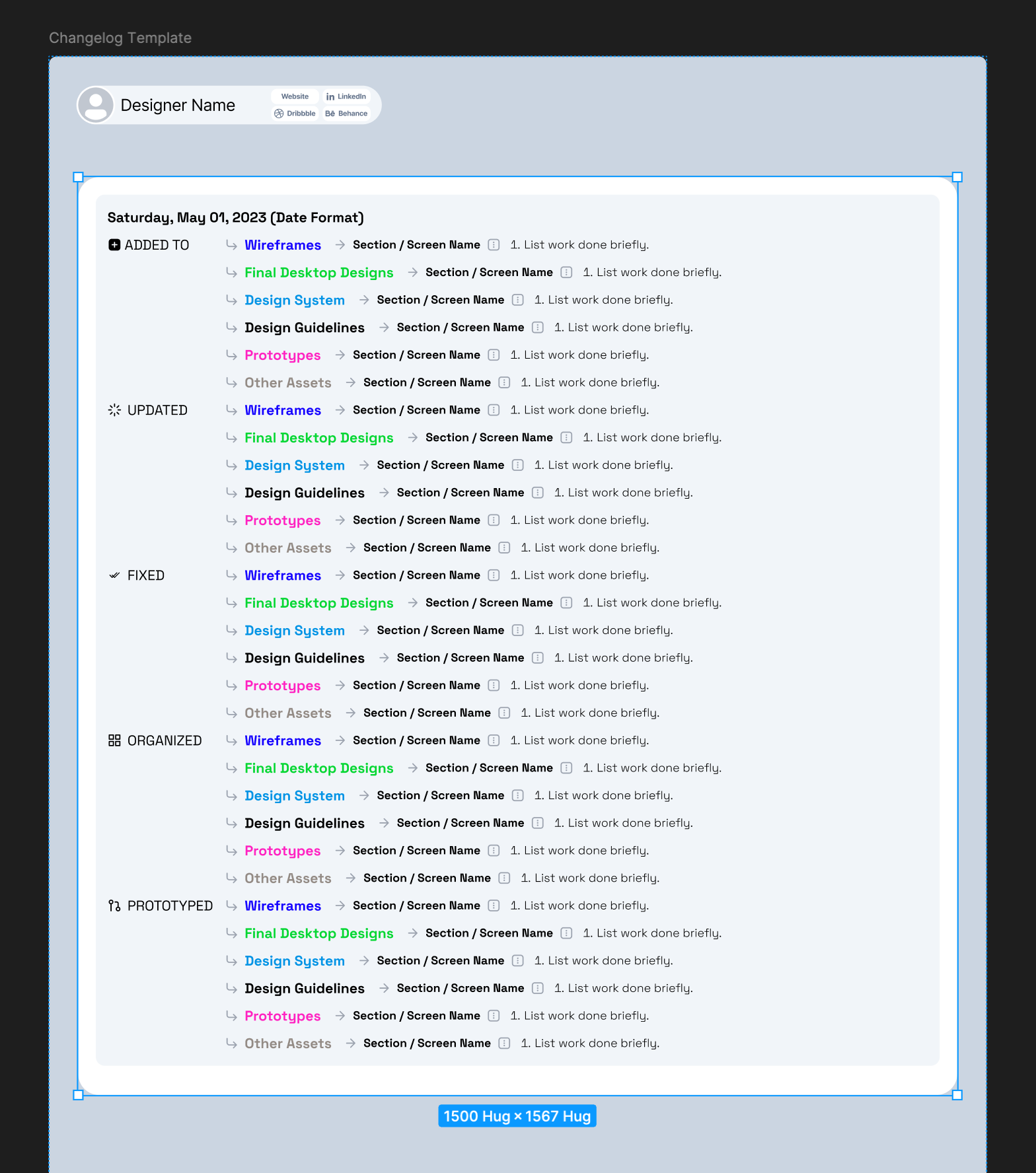
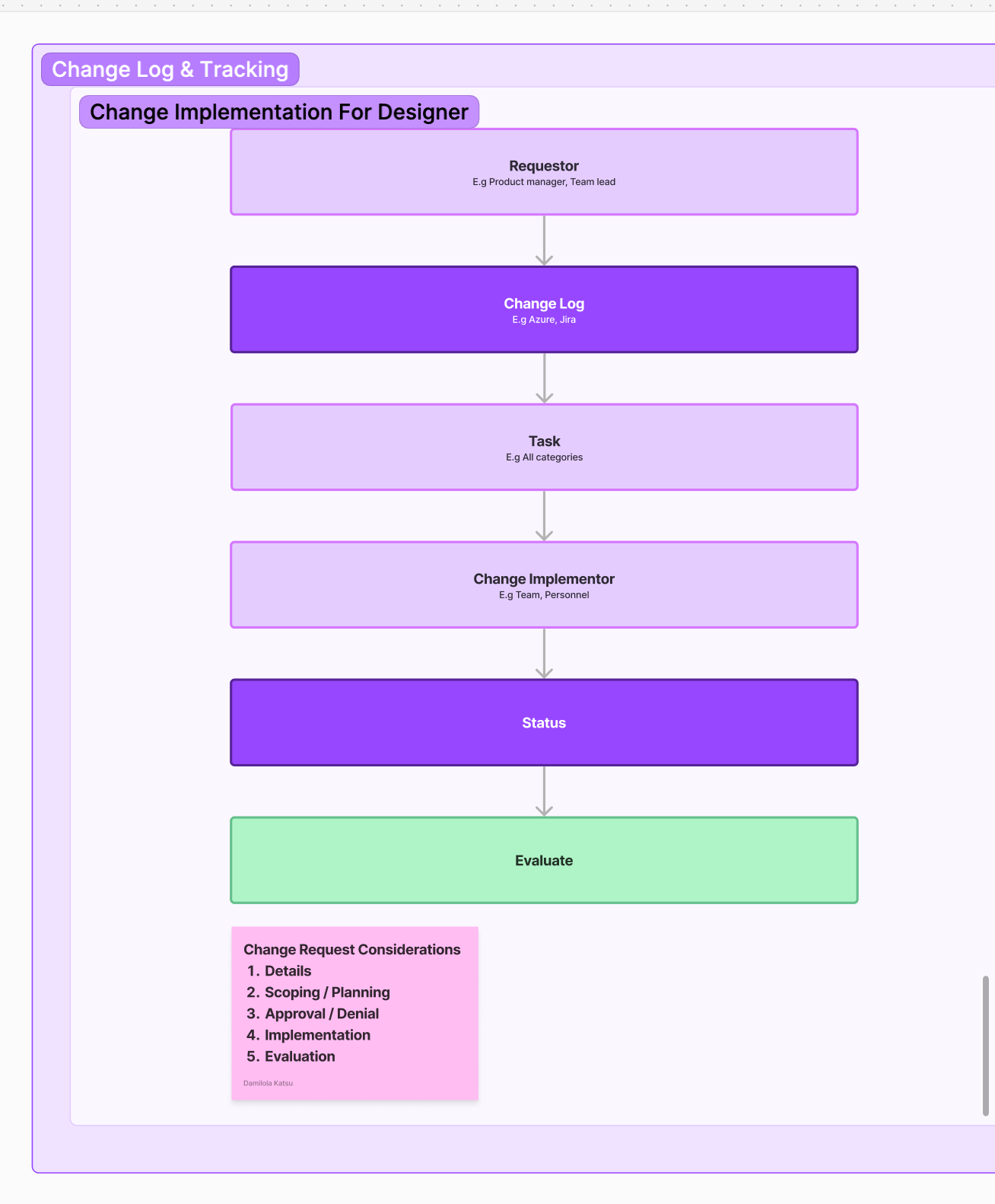
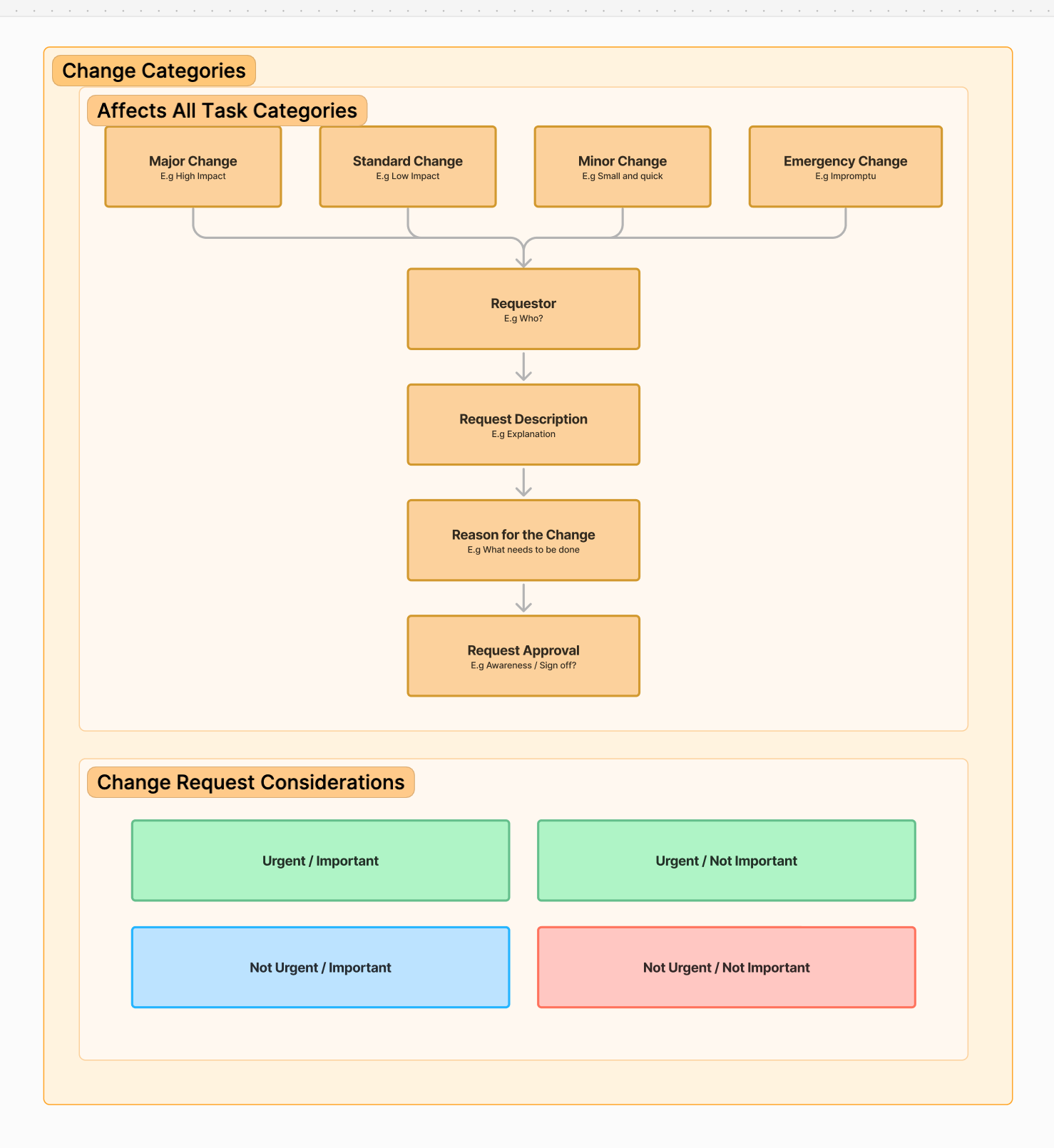
Change Management Framework | Version Control
In a bit better manage multi-iterations occuring and developing async between product manager-designer and engineering for queued deployments versus rapid iteration cycles, whilst constrained by budgetary restrictions as company was not ready to commit to major figma plan upgrade, a framework for tracking
- change workflow: (requestor, approval, design change maker (designer), change checker (Senior PM), approver (Head of Design, Head of Product)
- change documentation
- design change file
- versioning
- archiving
Huge budgetary savings for the Product team
Building High Performing Team Growth
Sabi • August 2023-July 2024
Scaling the Design Function: From Solo to 12
Over several years, I scaled our design function from a single contributor to a structured, high-performing team of 12—establishing a sustainable career ladder, onboarding program, and mentorship framework. As our product verticals multiplied, I recognized that reactive hiring would inevitably bottleneck delivery or compromise quality.
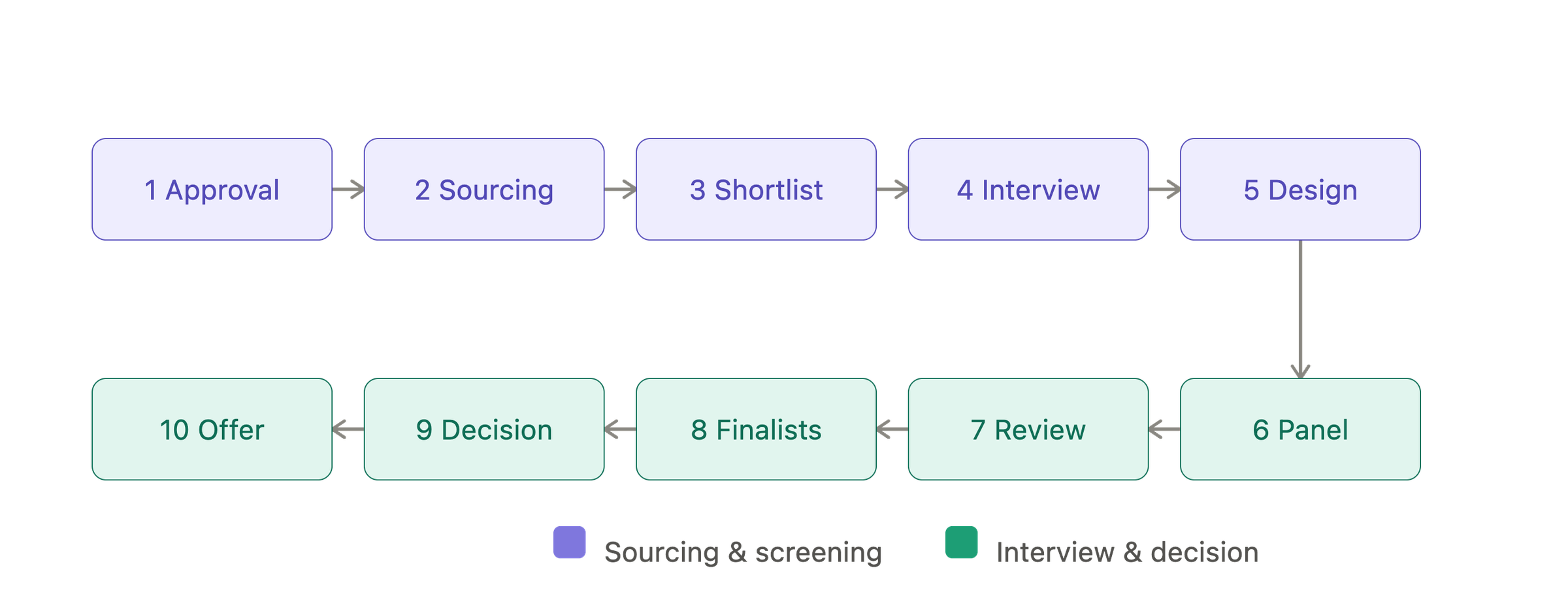
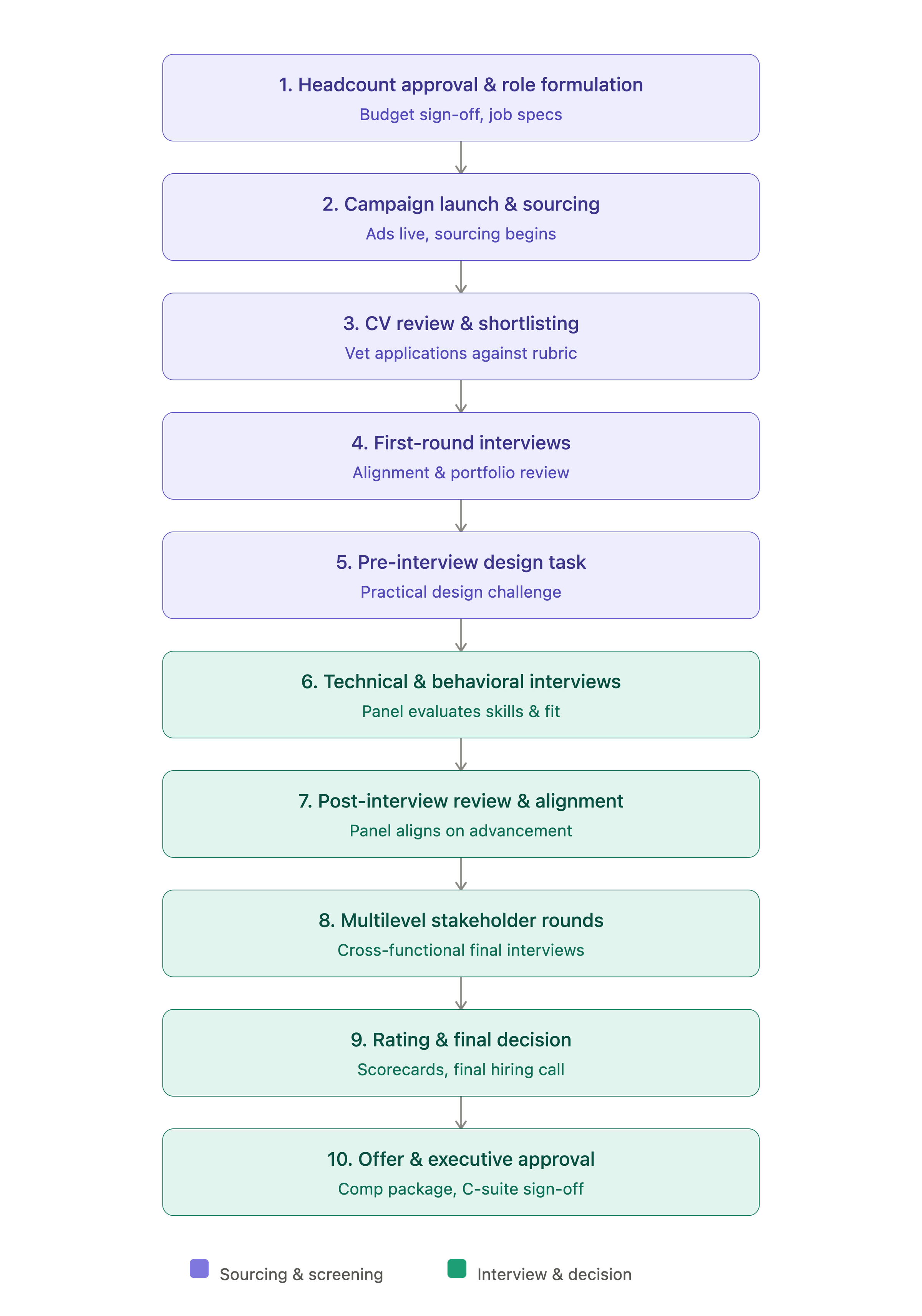
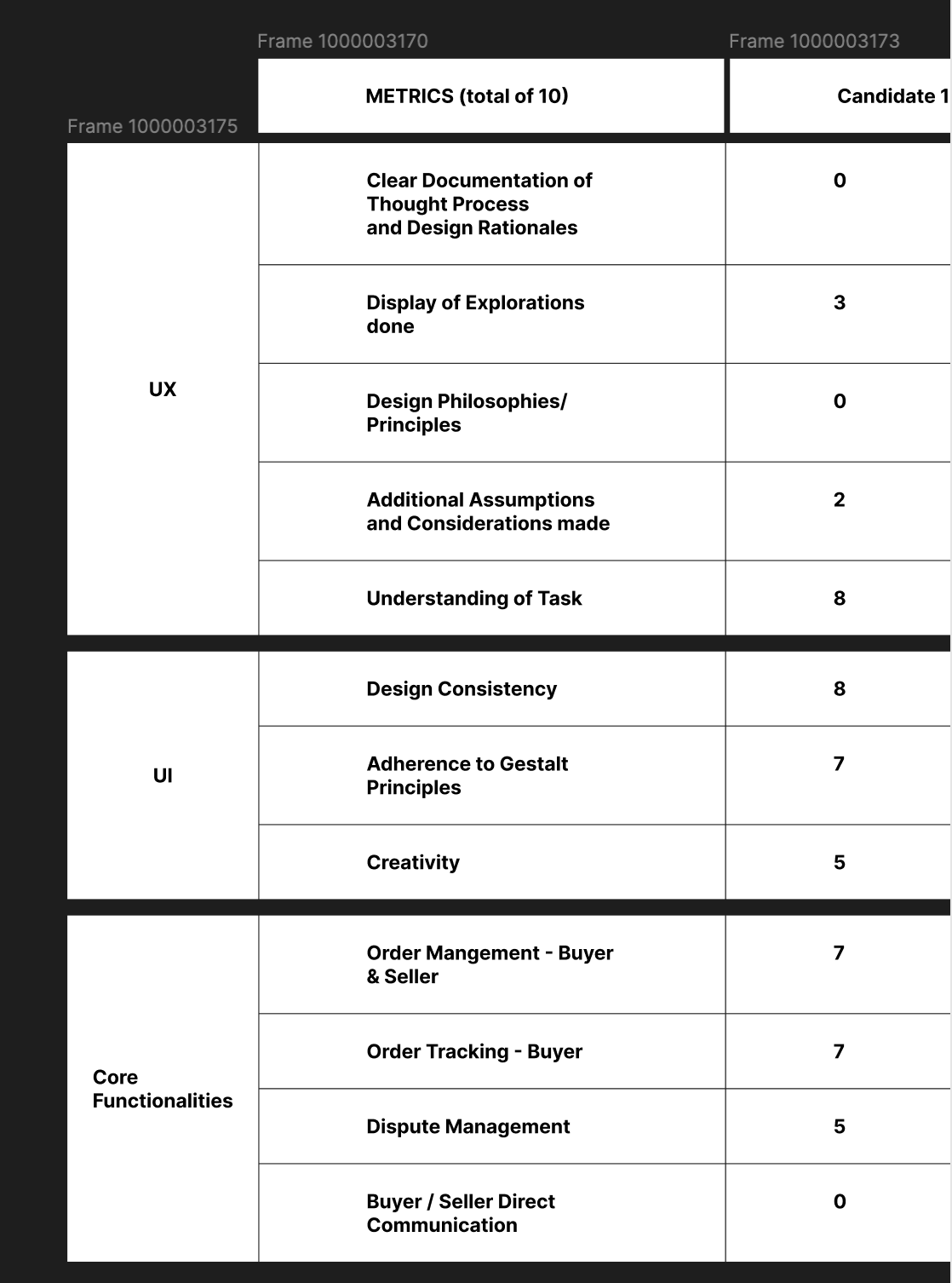
To address this, I built and pitched a strategic business case for proactive headcount growth directly to the C-suite and Head of Product. Once budget was secured, I partnered closely with PeopleOps to design and execute a highly structured, 10-stage recruitment pipeline to ensure we hired the right talent across all seniority levels:
> Headcount Approval & Role FormulationStage
Secured formal budget sign-off and collaborated with product leaders to write targeted job descriptions and define explicit role rubrics.

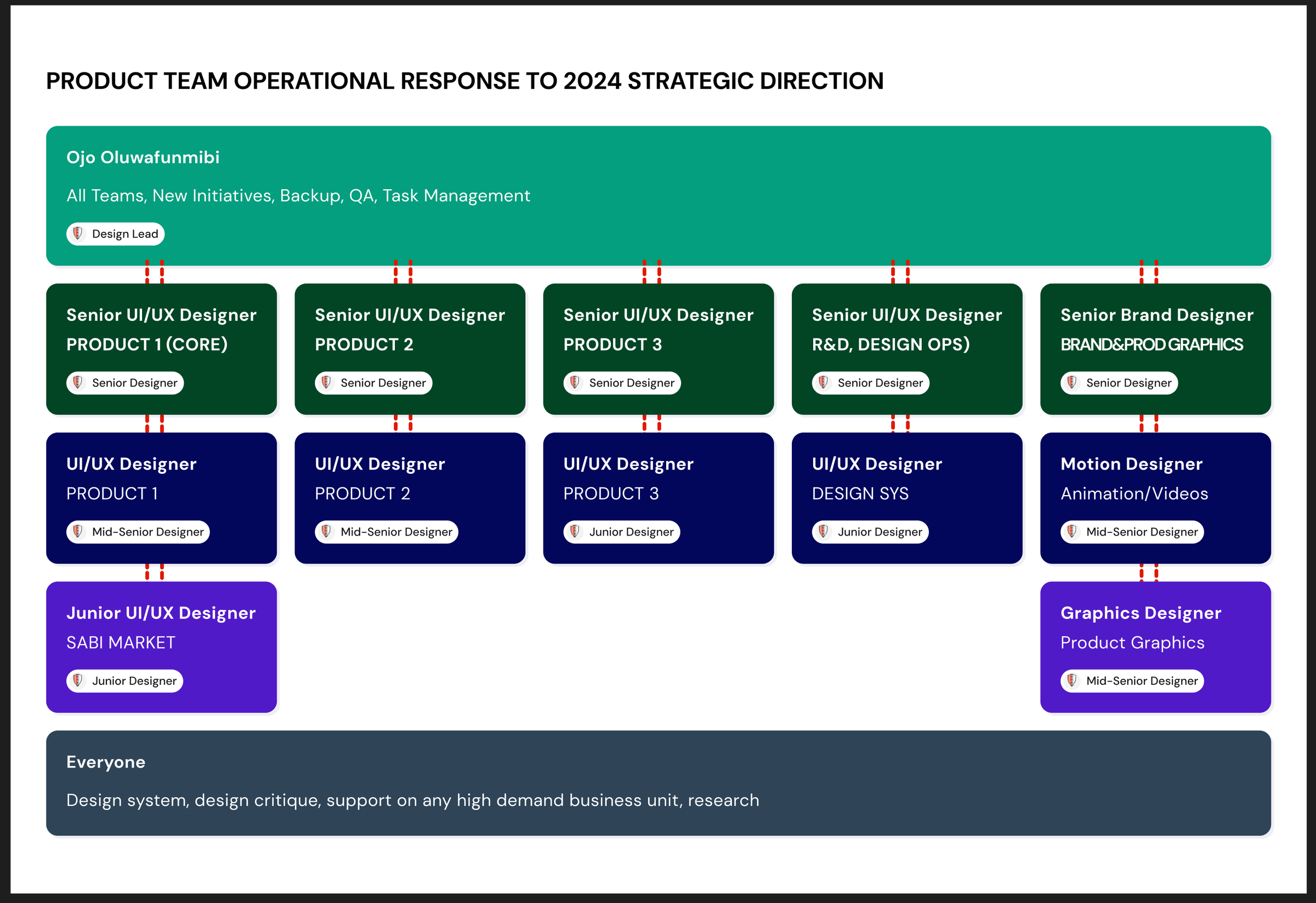
11 (4 - seniors, 4 - midlevel, 3 - junior)
~95%
>75
Corporate Rebranding: Katsu (Fintech)
Katsu >> MFB / Agency Network • Internal overall Katsu Rebrand : 2024; Katsu split to MFB and Agency : 2025
Led In-house rebrand for Katsu MFB and Katsu Networks, rather than through an external agency, saving the company over $20,000 external project cost, and cutting timeline from 6 months to 3 months, while keeping institutional knowledge — and brand consistency — inside the team.
Why?
The work was necessary because the Katsu business received a sudden focus based on an acceleration in management strategic direction. combined with new regulatory requirements, meant Katsu MFB, the licensed microfinance bank, and Katsu Agency Network, its agent banking arm, needed a clear, defensible distinction in the eyes of regulators, partners, and customers alike.
The internal Brand/Graphics team took up Visual identity rework for both entities. It was important to give them unique identities though related.
Each having its own brand archetype, visual identity, tone, and positioning.
Stakeholders
Led a six-man team consisting of
- 2 graphic designers - 1 senior and 1 junior graphic designer,
- 2 senior and junior product designer (handling digital product experience),
- 1 marketing manager.
Rituals observed
- Obtained Head of Product and C-Suite buy-in
- Facilitated bi-weekly stakeholder engagement sessions
- Oversaw mini-demo sessions within the team for sub-deliveries
- Demo sessions to leadership
Target Audience
- Primary: Traders looking for e cient financial solutions.
- Secondary: B2B customers seeking reliable partners for
trade transactions.
Outputs
- Brand discovery sessions
- Brand archetype development
- Logo & Brand Standards
- Brand Assets & Collaterals
- Visual Identity
Saved by leading the rebrand in-house
Zero cost
3 months
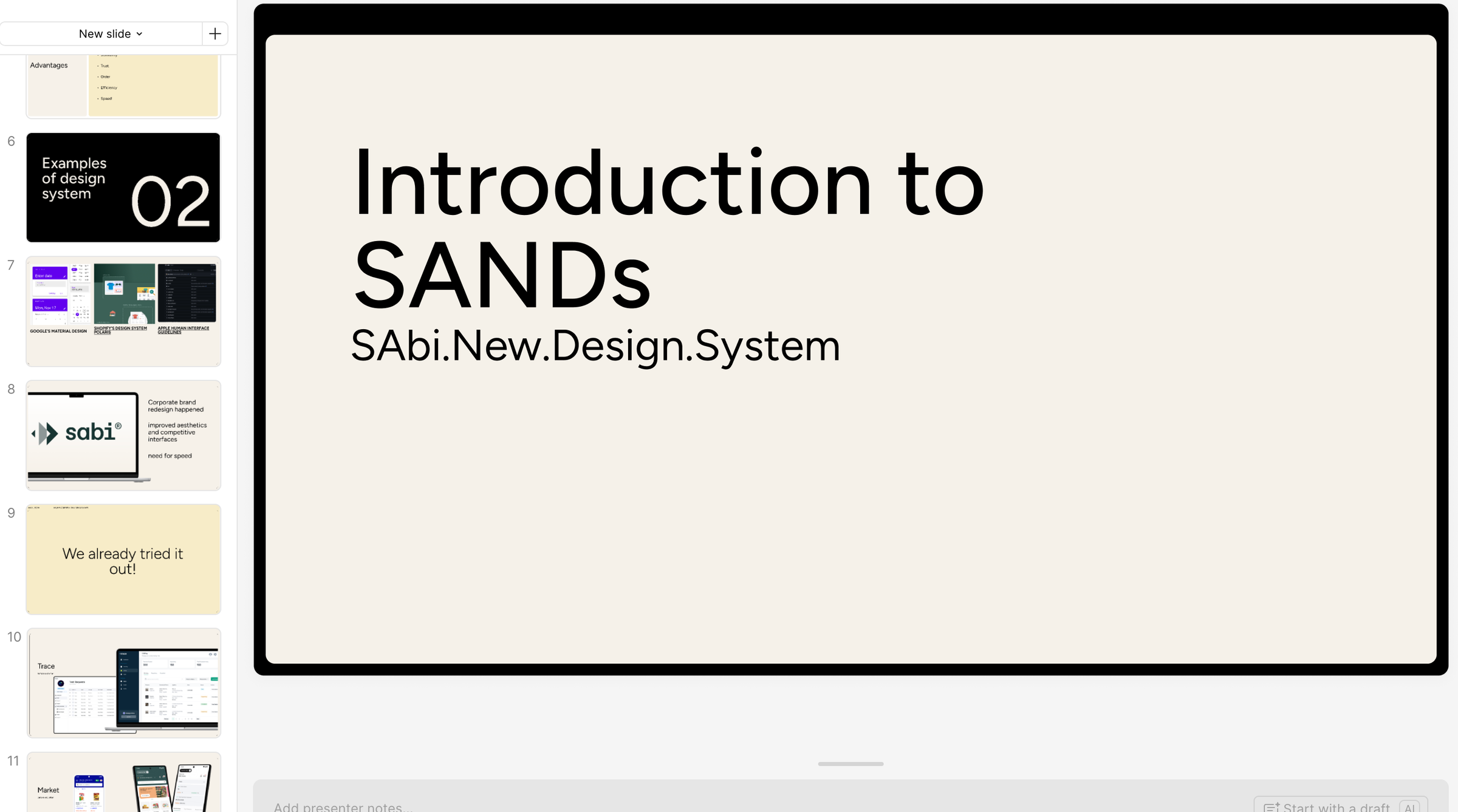
Design Systems, Pre- and Post-AI
Sabi, Katsu • 2023 - Present
Across a decade of shifting company priorities, I built and coordinated multiple design systems that became the backbone letting fast-growing product teams ship consistently without design becoming a bottleneck — from the pre-AI foundations that gave scattered teams a shared visual and interaction language, to a post-AI, AI-native practice built for how design actually gets done today.
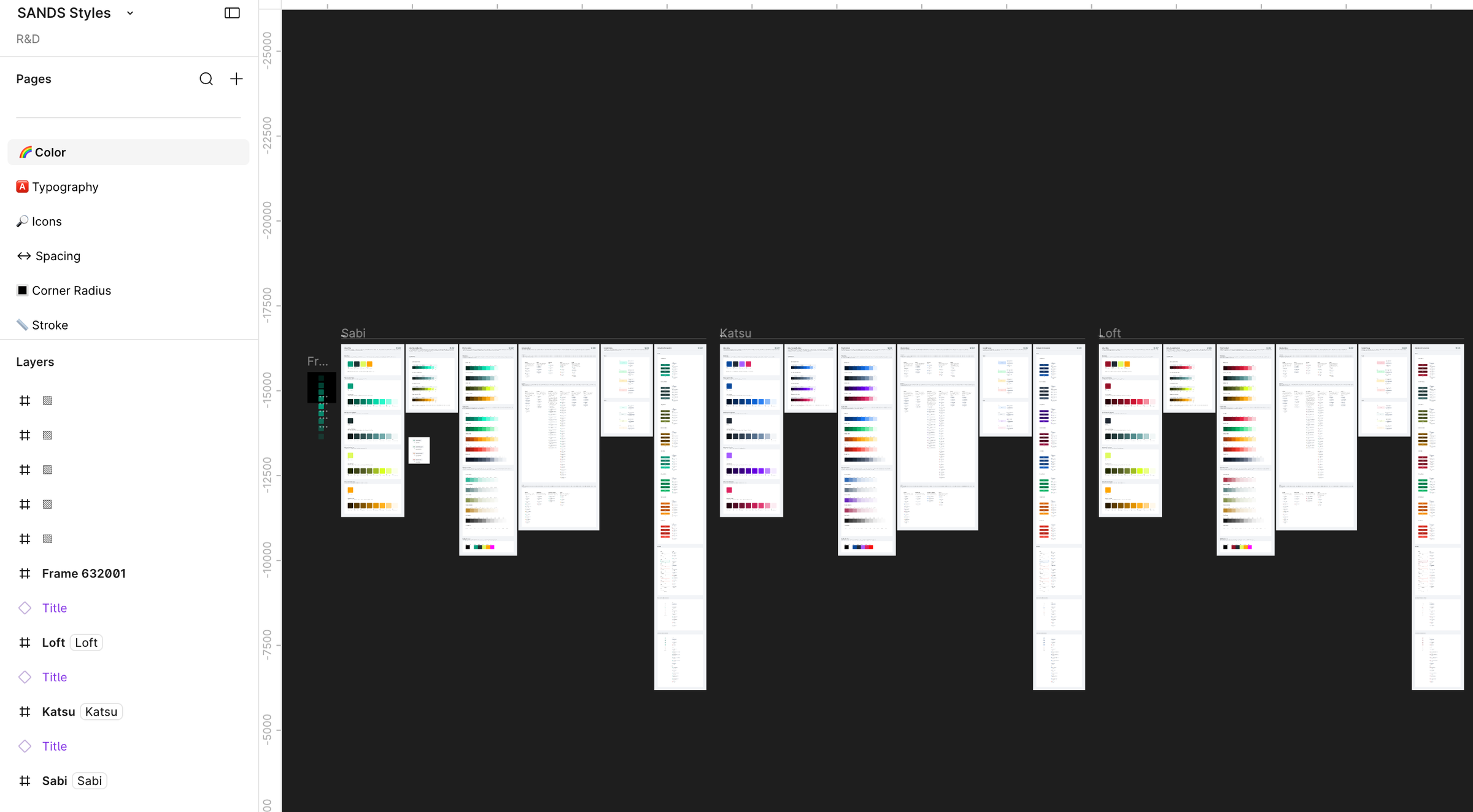
Pre-AI: Sabi (SAND)
Established foundational design systems for Sabi (SAND) that became the backbone letting fast-growing product teams ship consistently without design becoming a bottleneck — a discipline of reusable components, documented patterns, and shared language across teams that had previously designed in silos.
Building them meant coordinating designers, PMs, engineers, and marketing around a shared corporate vision and rebranding effort.
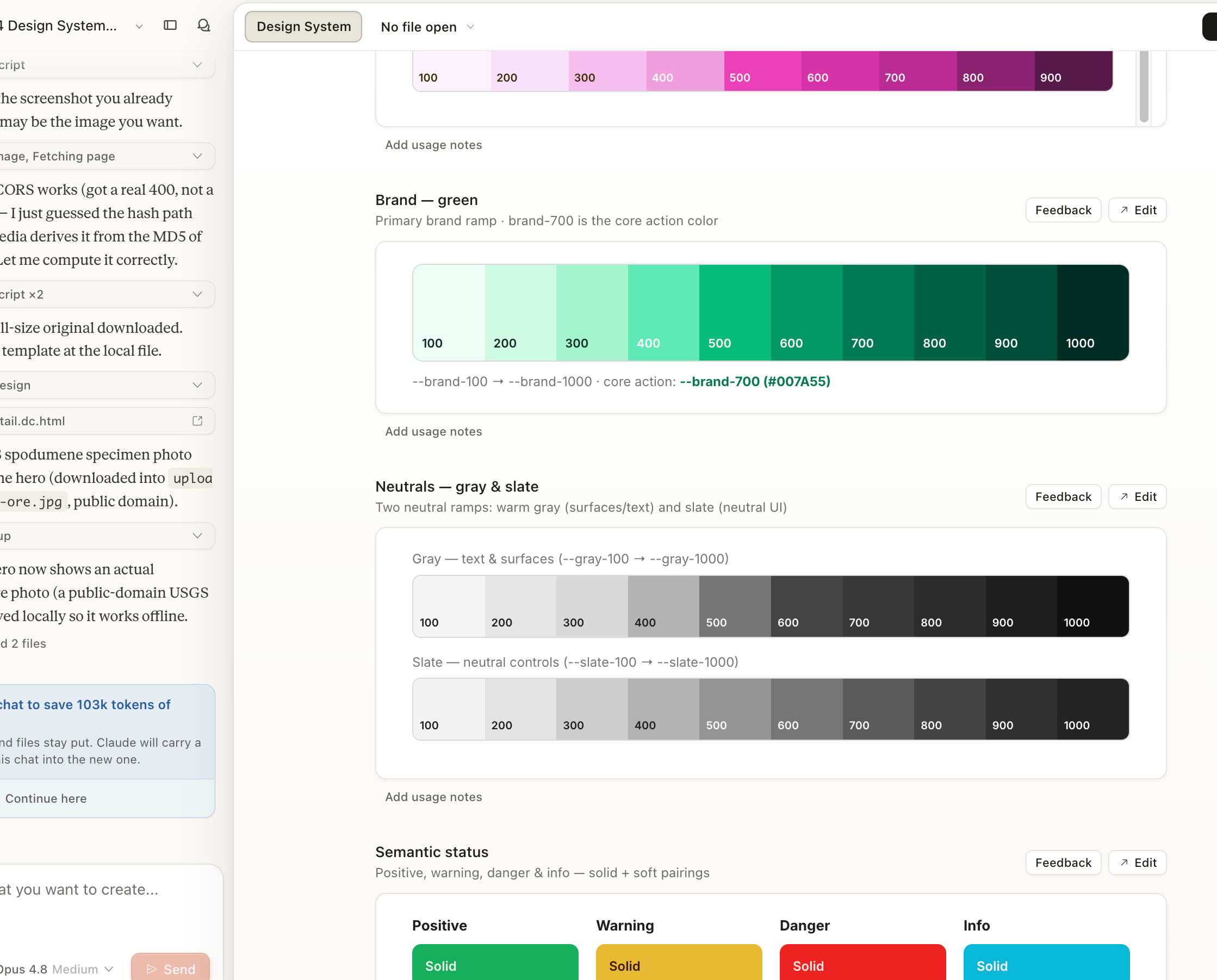
Post-AI: SKIDS 1.0
Introduced SKIDS 1.0 [Sabi and Katsu Integrated Design System], a design system built by and for the AI era in Sabi, and Katsu — new patterns for AI-assisted flows, new conventions for distinguishing AI-generated from human-made content, and a component library that could keep pace with how quickly AI features were shipping, all while preserving brand and interaction consistency across the product suite. It became necessary as AI moved to the center of product strategy: the pre-AI design system couldn’t accommodate new AI-driven interaction patterns, or the pace at which new components were needed, so I led the Design team on how to proceed with AI Orchestrator (Claude) implemented by Engineering team early to define component needs directly from technical constraints, iterating the system in tandem with shipping product work.
Tools:
- Claude Code
- Claude Design
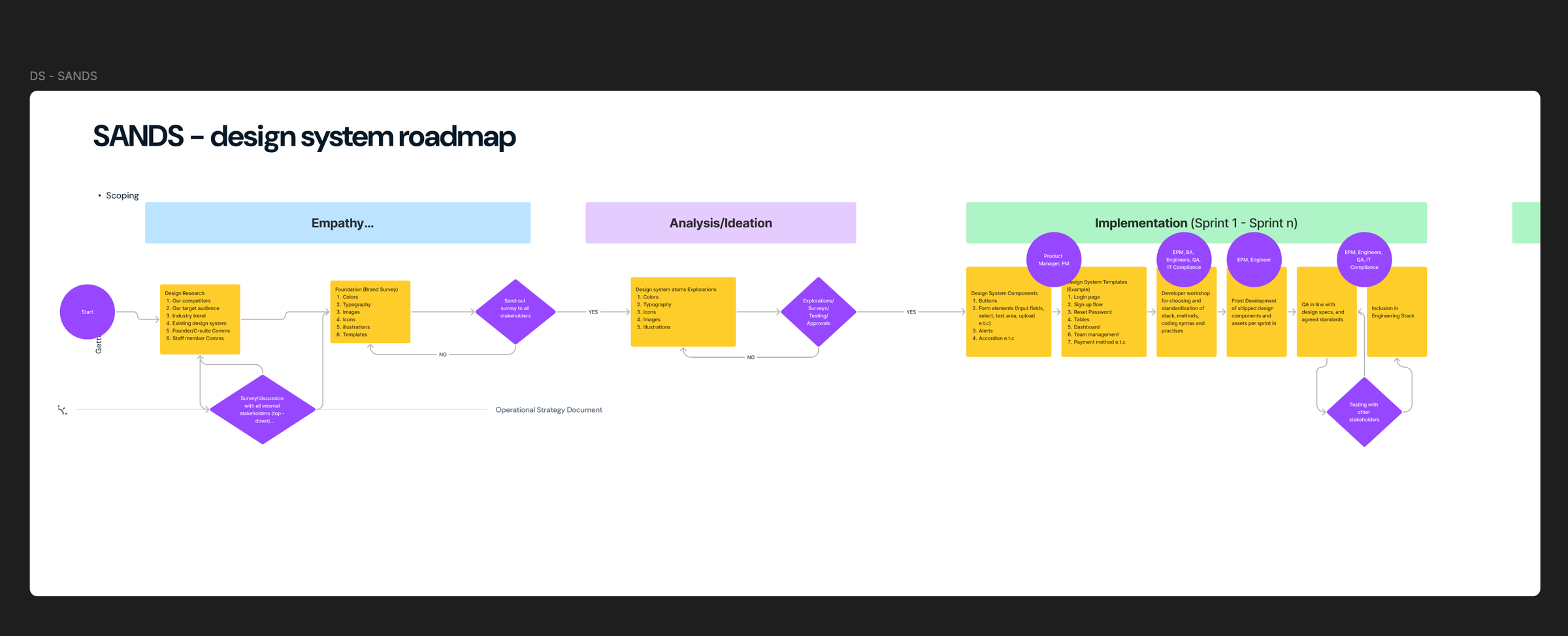
Team/Stakeholders
Each system required coordinating a bi-weekly stakeholder engagement of a genuinely cross-functional team of
- Product designers,
- Graphic designers, PMs,
- Engineering (especially FrontEnd, QA),
- PeopleOps (HR) and
- Marketing
Relevant Senior stakeholder buy-in was critical. This includes
- Heads of other Units
- C-Suite
A design system work is as much about relationships as it is about components; every new pattern needed buy-in from the teams who would actually use it.
Every system I’ve built has been anchored to the same three things: corporate vision, so the system reflects where the business is going rather than where it’s been; corporate rebranding, so visual language and product experience stay in lockstep; and C-Suite buy-in, without which even the best-designed system stalls at adoption.
Research & Development: AI Adoption
Sabi
Pioneered Sabi’s first R&D design team, a small group focused squarely on identifying and adopting AI opportunities across the product at a time when most of the design org was still operating in a fully manual, pre-AI workflow. That work centered on four areas: product upscaling, using AI to enhance low-resolution product images; automated background removal, to standardize product photography without manual editing; product detail autogeneration, generating descriptive copy directly from images; and auto-categorization, using AI to classify and name products consistently instead of relying on manual tagging.
From Manual to AI-Native
Beyond any single feature, the bigger shift was cultural: leading the design team’s transition from a fully manual, Figma-led pre-AI workflow into a post-AI era where AI tooling became part of how designers themselves worked, not just something reflected in the product. That meant new tools, new workflows, and — as much as anything — convincing a team that had built real expertise in the old way that the new way was worth learning.
Total Refactoring & Relaunch of Market App
Sabi - Market (discontinued)
The relaunch reached over 300,000 users. Getting there meant leading a ground-up refactor of an app that had accumulated significant UX debt over time — inconsistent patterns, competing navigation models, and performance issues that compounded with every new feature bolted on, limiting usability and, more urgently, the team’s ability to ship new features at the pace the business needed.
I rebuilt core flows on a consistent design system foundation, resolving the UX debt at its root rather than patching around it, and set up the product architecture to support growth instead of fighting it, directing a cross-functional pod of product designers, engineers, QA, and product management through the work. We started with an end-to-end audit of the existing experience, prioritizing flows by user impact rather than trying to fix everything at once; design and engineering then rebuilt incrementally, shipping improvements in phases rather than a single high-risk cutover, coordinated with clear user communication and close monitoring so we could catch and resolve issues quickly rather than after the fact.
Users reached after relaunch